
"Uganda coffee standards"
500 article(s) found

Introduction of Ugandan coffee flavor with mild soil flavor
Ugandan coffee is not a type of coffee that emphasizes rising aroma, as long as the raw beans are not and turn 100 or yellowed, they can generally have a good regional flavor, with a low ripe fruit aroma, such as the taste of red wine, and a thick mellow thickness. it is similar to some Kenyan beans with low flavor, but it also has a mild soil flavor, so it is similar to other products in East Africa in flavor characteristics.

The flavor and taste of Ugandan coffee with extremely light aroma introduction to the characteristics of boutique coffee in manor area
The people of all parts of Uganda resisted the British aggression tenaciously. In 1893, Britain sent troops to occupy the Kingdom of Bunioro, and King Kabarega led some of the people to wage guerrilla warfare for six years. In 1897, King Mwaanga of Buganda raised his army against Britain and later joined Kabarega in the Rango region. In April 1899, the two kings were captured and the uprising failed. To make it easier to rule

Taste of Ugandan Coffee Flavor Manor area introduction to the origin of fine coffee in Uganda
There are many transportation problems, so there are often raw beans with low moisture content and not green appearance. However, Ugandan coffee is not a type of coffee that emphasizes rising aroma, as long as the raw beans are not and turn 100 or yellowed, they can generally have a good flavor in the producing area, with low ripe fruit aromas, such as the taste of red wine, and thick mellow thickness. with some Kenyan beans with low tonality

The Ugandan coffee-producing countries of Elgon, the birthplace of Robusta in Africa, and Bujisu (
The coffee growing industry in Uganda is one of the pillar industries of its exports. Uganda is the birthplace of Robsta in Africa, just as Ethiopia is the origin of Arabica coffee, while Robster coffee was first discovered in Uganda. So far, Uganda has a history of growing coffee for more than 100 years. At the same time, Uganda is one of the few major countries in Africa dedicated to the production of organic coffee. In Wu

How does Uganda coffee taste? Uganda Vinzori Mountain Coffee Introduction Uganda Coffee Features
Professional coffee knowledge exchange More coffee bean information Please pay attention to coffee workshop (Weixin Official Accounts cafe_style) Uganda is located at the source of Nile River, which is a landlocked country in Africa without sea. Although it has a long history of producing coffee like other East African countries, the quality of coffee cannot be improved due to wars caused by ethnic confrontation. Most of the good coffee here is grown

Panamanian blue standard rose summer coffee beans
Follow the caf é (Wechat official account vdailycom) found that the beautiful cafe opened a small shop of its own, Geisha Coffee (Rose Summer Coffee) was found in the rose summer forest of Ethiopia in 1931 and then sent to the Coffee Research Institute in Kenya; it was introduced to Uganda and Tanzania in 1936, Costa Rica in 1953, and Panama from Fran of Dongba Seven Farm Garden in the 1970s.

Flavor description of Ugandan Coffee Variety producing area introduction to the characteristics of Fine Coffee beans
Most of Uganda is located in the Central African Plateau, with lakes, with an average elevation of 1000 mi 1200 meters. There are many lakes and plateaus in the mountains, which are known as the water villages of the plateau. The western branch of the East African Rift Valley runs through the western border, with many rivers and lakes at the bottom of the valley. Uganda has a great Victoria lake, coupled with the high mountains, which makes Uganda a mild climate suitable for growing coffee, although it spans both sides of the equator. Right and wrong in Uganda

Introduction to the method of taste treatment in producing areas of Ugandan coffee flavor description
Ugandan coffee beans have a unique flavor of delicate taste, which is very suitable for making Italian and other flavors of coffee. More importantly, Ugandan coffee beans are strictly screened according to the standards of the international market to ensure their high quality and pollution-free characteristics. Africa is the hometown of two major varieties of coffee, Arabica and Robusta, while the eastern Africa enjoys a plateau water hometown and a pearl of East Africa.

Ugandan Coffee Flavor Ugandan Coffee Taste introduction to Ugandan coffee producing areas
Uganda's coffee production ranks first in Africa, accounting for more than 70% of its total exports. Uganda is also the hometown and main producing area of Robes specialty coffee. In the 1960s, Ugandan coffee production remained at 3.5 million bags a year. By the mid-1980s, coffee production had dropped to 2.5 million bags a year, mainly for political reasons. But now coffee production is on the rise again, which is large at present.

An introduction to the characteristics of Uganda Fine Coffee Bean Flavor Manor, which enjoys the laudatory name of "Plateau Water Village".
It has a low ripe fruit aroma, such as the taste of red wine, and a thick mellow thickness, which is similar to some Kenyan beans with low tone, but with a mild soil flavor, so it is quite different from other East African countries in flavor characteristics. on the contrary, it is somewhat similar to Asian Indonesian Sulawesi Tonaga coffee and Java manor coffee. With baking between City+ and Full City+

Introduction to the characteristics of Ugandan coffee bean flavor and taste manor
Ugandan coffee is not a type of coffee that emphasizes rising aroma, as long as the raw beans are not and turn 100 or yellowed, they can generally have a good regional flavor, with a low ripe fruit aroma, such as the taste of red wine, and a thick mellow thickness. it is similar to some Kenyan beans with low flavor, but it also has a mild soil flavor, so it is similar to other products in East Africa in flavor characteristics.

Introduction to the production area of grinding scale for the quality characteristics of Uganda coffee beans by taste and flavor description treatment
After the first World War, Ugandan people's long-standing dissatisfaction with colonial rule finally broke out. A national general strike and rural riots broke out in 1918. In 1919 Buganda launched a democratic movement under the leadership of the Bataka Party and the African Farmers' Union of Uganda. In 1921, Uganda's first national political party, the Ugandan National Congress Party, was established.

Introduction to the planting environment of Ugandan boutique coffee beans with delicate taste
According to the 1942 Constitution, Uganda adopted a federal system after its independence, and the kingdoms of Buganda, Bunioro, Toro and Ancole, as well as the Busoga Special District, were all members of the Federation. The people's Congress Party and the Kabakayeka Party form a coalition government, with Milton Obote, chairman of the people's Congress Party, as prime minister, and King Mutsa II of Buganda as president. The bipartisan alliance broke down in 1964

Uganda Coffee Taste Characteristics Variety Treatments Flavor Description Manor
Taste characteristics of Ugandan coffee Variety treatment Flavor description The estate flows into the upper seat along a riser. When only 1/3 of the water is left in the lower seat, pour the ground coffee powder into the upper seat and pour the coffee powder from all sides to the middle with a bamboo stirring rod; 9) After the coffee powder is completely wet, start the timer (do not stir the coffee mixture at this time, this stage is called stewing); 10)

Introduction to the Origin of Ugandan Coffee Flavor and Taste
The equator crosses Uganda and the suitable climate makes it the main producer of robusta coffee beans in the world. In the 1960s, Ugandan coffee production remained at 3.5 million bags a year. By the mid-1980s, coffee production had dropped to 250 bags a year, mainly for political reasons. But now coffee production is on the rise again, currently about 3 million bags a year. What the coffee industry is facing

Introduction to the flavor characteristics of coffee treated by anaerobic fermentation and solarization in the Wenzori Mountains of Uganda
Professional coffee knowledge exchange more coffee bean information please follow Coffee Workshop (Wechat official account cafe_style) Uganda Wenzori Mountains country: Uganda production area: Wenzori Mountains altitude: 1600-1800 m treatment method: anaerobic treatment Sun varieties: SL14SL28 Origin introduction | Uganda is located at the source of the Nile River, which is not dependent on in Africa.

Introduction to varieties of Ugandan Coffee produced by Flavor description, Grinding scale and Taste treatment
Dry aroma (1-5): 3.2 wet aroma (1-5): 3.4 acidity (brightness) (1-10): 8 taste (layer): 8.5 taste (alcohol thickness) (1-5): 4 aftertaste (residue) (1-10): 8.1 balance (1-5): 0 Base score (50): 50 total score (maximum)
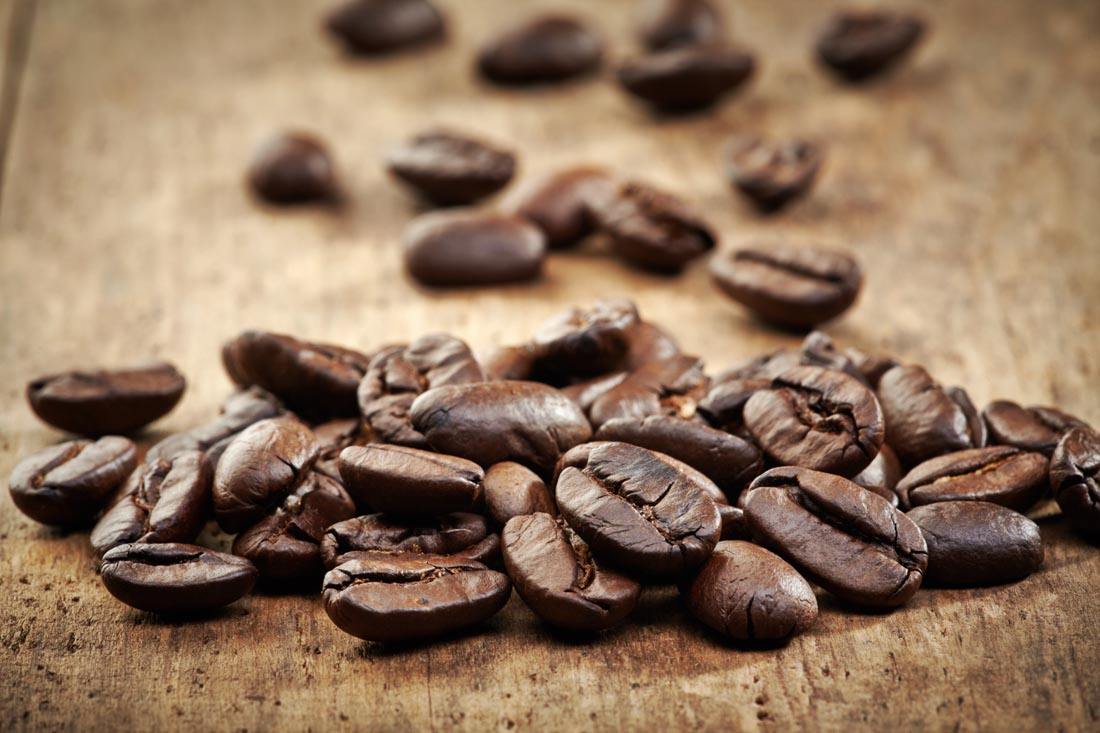
Uganda coffee beans taste, Uganda coffee beans introduction
Following Cafe (official Wechat account vdailycom) found that Beautiful Cafe opened a small shop of its own Uganda is the country of origin of Robusta coffee, but the commercial cultivation of Arabica species here did not begin until early 1900. Today, there are still a large number of wild robusta coffee trees in Uganda, which is rare in cities in the world. After fiber baking of fiber raw beans

Taste of Ugandan Coffee Flavor Manor area introduces Ugandan boutique coffee beans
Ugandan coffee is not a type of coffee that emphasizes rising aroma, as long as the raw beans are not and turn 100 or yellowed, they can generally have a good regional flavor, with a low ripe fruit aroma, such as the taste of red wine, and a thick mellow thickness. it is similar to some Kenyan beans with low flavor, but it also has a mild soil flavor, so it is similar to other products in East Africa in flavor characteristics.

Introduction to the characteristics of fine coffee beans in Uganda coffee flavor and taste manor area
After the first World War, the long-standing dissatisfaction of the Ugandan people with colonial rule finally broke out. A national general strike and rural riots broke out in 1918. In 1919 Buganda launched a democratic movement under the leadership of the Bataka Party and the African Farmers' Union of Uganda. In 1921, Uganda's first national political party, the Ugandan National Congress Party, was established and proposed the implementation of universal suffrage.